Youth Justice Board for England and Wales
Featured
A blog by the Youth Justice Board’s (YJB) Business Intelligence and Insights Directorate that highlights racial disparity in the youth justice system and the ongoing work to tackle it.

A blog by Keith Fraser, YJB Chair and Board Champion for Over-Represented Children.

Amy Bruce, Operations Manager at Suffolk YJS, shares her experience of being an early adopter of the YJB’s new Prevention and Diversion Assessment Tool.
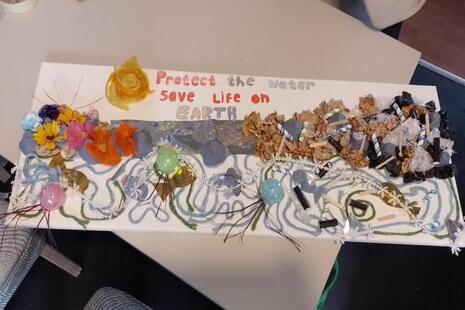
"A youth justice service that cares"
News story
Steph Roberts-Bibby, the CEO of the Youth Justice Board, reflects on her visit to Blaenau Gwent and Caerphilly Youth Offending Service.
Steph Roberts-Bibby announced as new YJB CEO
News story
The Youth Justice Board (YJB) has appointed Steph Roberts-Bibby as the permanent Chief Executive Officer (CEO).

Latest from the Youth Justice Board for England and Wales
What we do
We are a non-departmental public body responsible for overseeing the youth justice system in England and Wales.
YJB is an executive non-departmental public body, sponsored by the Ministry of Justice.
Follow us
Documents
Transparency and freedom of information releases
Our management


Contact YJB
Youth Justice Board for England and Wales
Clive House
70 Petty France
London
SW1H 9EX
United Kingdom
Enquiries
YJB.Enquiries@yjb.gov.uk
Youth Justice Board Operations Cymru
Penllergaer Business Park
Penllergaer
Swansea
SA4 9NX
United Kingdom
Enquiries
YJBCymru@yjb.gov.uk
Youth Justice Board media enquiries
Clive House
70 Petty France
London
SW1H 9EX
United Kingdom
For out-of-hours press queries
020 3334 3536
Youth Custody Service Placement Team
Main number
0345 36 36 36 3
To contact the team for custody placement and information, please use the relevant Secure eMail address using this link.
Make an FOI request
- Read about the Freedom of Information (FOI) Act and how to make a request.
- Check our previous releases to see if we’ve already answered your question.
- Make a new request by contacting us using the details below.
Youth Justice Board Freedom of Information
Youth Justice Board for England and Wales
Clive House
70 Petty France
London
SW1H 9AJ
United Kingdom
Corporate information
Jobs and contracts
Read about the types of information we routinely publish in our Publication scheme. Find out about our commitment to publishing in Welsh. Our Personal information charter explains how we treat your personal information.